
      The automotive industry is diverse and includes manufacturers of passenger and commercial vehicles, so-called original equipment manufacturers (OEMs), suppliers, dealers, and mobility service providers.

      In Germany, the automotive sector has always been one of the key industries. For decades, numerous companies have shaped the industry through technological and quality leadership, as well as a strong international focus. In addition to the already growing global competition for customers and market share, they now face new and increasingly complex challenges.

      Anticipate changes in customer behavior and regulatory requirements early on

      The automotive industry is under intense pressure to transform, which requires significant effort while also opening up a wide range of opportunities. Above all, it is essential to anticipate changes in customer behavior, regulatory requirements, and technological developments early on, translate them into innovative products and services, and build new, sustainable ecosystems.

      With the goal of enabling sustainable mobility, there is a need to drive the development of new powertrains and the electrification of the fleet, integrate Mobility-as-a-Service and micromobility, and strengthen environmentally friendly processes and production methods. In addition, the mobility of tomorrow will be connected and autonomous—which is why the same principle will apply in the automotive industry: whoever controls the data will be among the winners.

      We will provide you with comprehensive support through our expertise and help you act proactively rather than reactively in the future. To this end, we keep a close eye on customer expectations, regulatory requirements, and new technological innovations, and we’ll work with you to actively and proactively shape the new normal.

      The automotive industry is undergoing a period of profound change. To be successful in this environment, companies need bold strategies, openness to new technologies and the ability to adapt quickly to changing market conditions. Flexible business models and strong, forward-looking partnerships will be crucial.

      Dr. Andreas Ries

      Partner, Global and Germany Head of Automotive

      KPMG AG Wirtschaftsprüfungsgesellschaft

      Focus on industry target groups

      GAES 2025: Disruption as an opportunity

      25th Global Automotive Executive Survey: How Germany's automotive industry is reinventing itself

      Würfel

      Our range of services


      Interested in our services?

      In recent years, manufacturers and automotive suppliers have already been preparing for the emerging transformation driven by technological trends such as electrification, autonomous driving, and connectivity. Factors such as growing environmental awareness and new, technology-driven competitors who are rethinking mobility are accelerating these change processes.

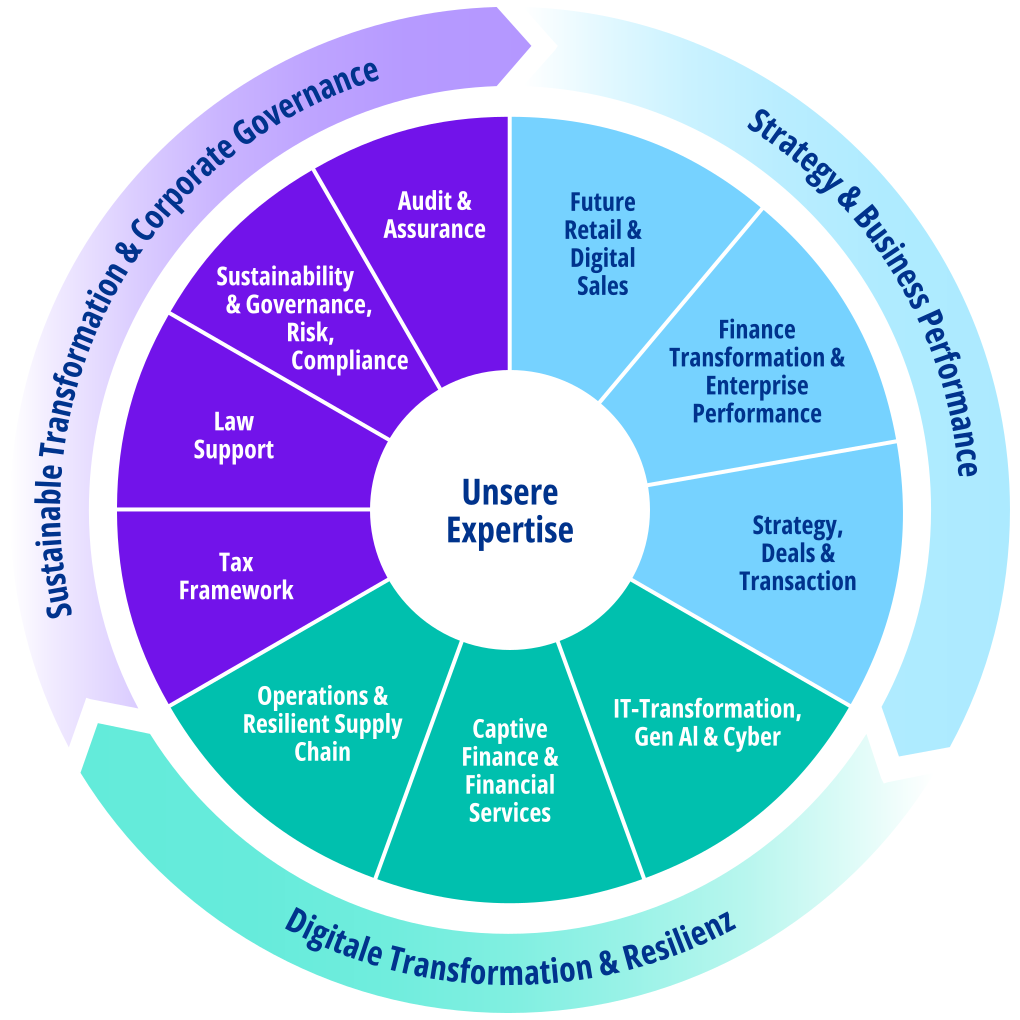
      Our clients benefit from our interdisciplinary approach, which combines the expertise of our three business areas—Audit, Tax, and Advisory—with the know-how of our industry specialists. This enables us to offer tailored advisory services that are precisely tailored to each client’s specific business situation. With our automotive team and over 4,000 industry experts worldwide—800 of whom are based in Germany alone—we deliver solutions for every stage of the value chain.
      test

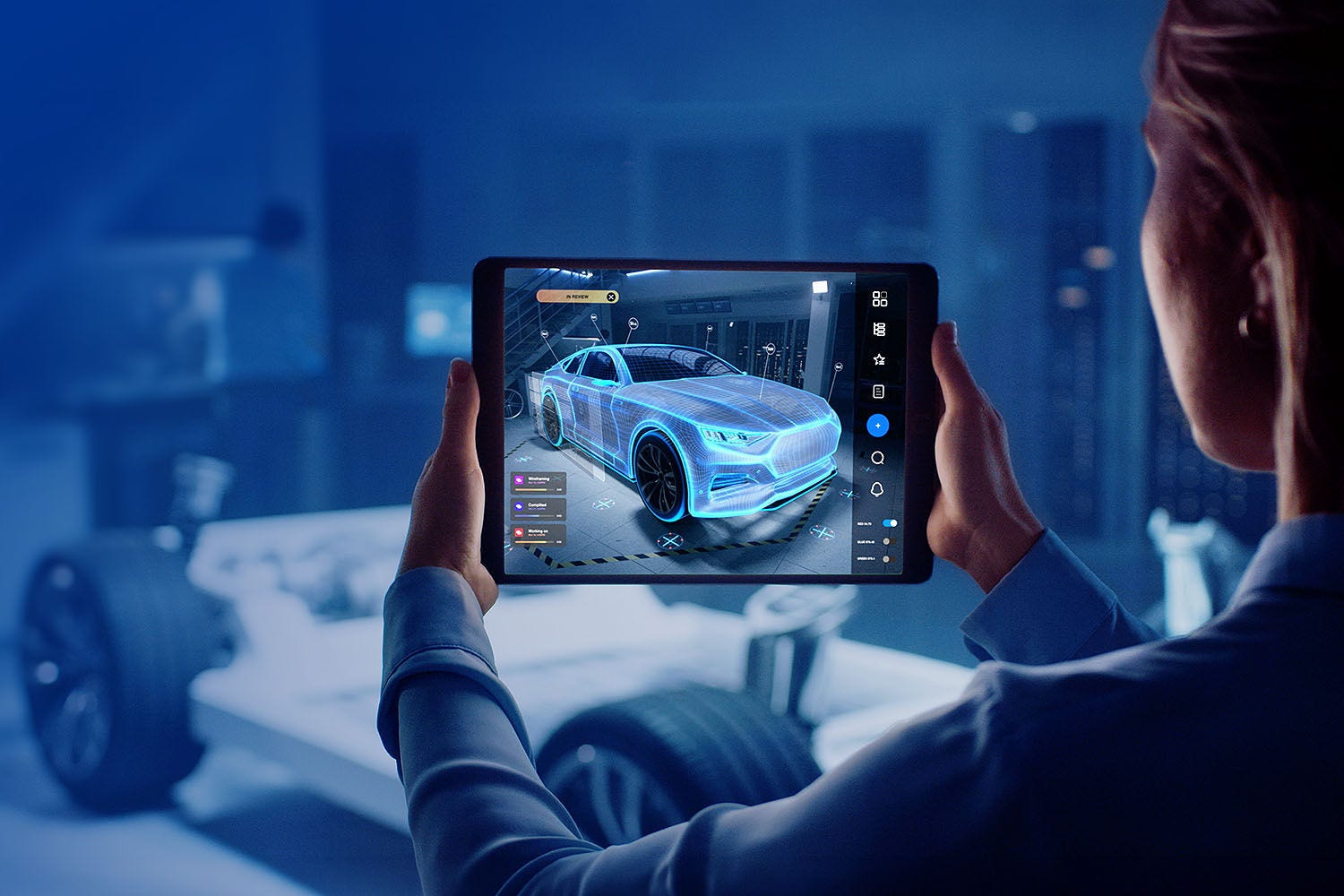
      woman with ipad in hand


      Interested in our services?

      Strategically Managing New Energy and Powertrain Concepts

      Electrification and the use of new energy sources are having a major impact on strategic plans in the automotive industry. The availability of energy, as well as access to battery raw materials and technological expertise, are increasingly determining how value creation and supply chains are structured. They also influence where companies direct their investments. Access to batteries alone is not the decisive factor here. Rather, the key determinants are mastery of core technologies, functioning recycling loops, and the close integration of energy supply and industrial value creation.

      This transformation requires substantial investment and, at the same time, fundamentally changes value creation. The automotive industry is evolving from a traditional vehicle manufacturer into a player that integrates mobility, energy, and digital services. This creates new opportunities to generate value beyond the vehicle itself.

      How successful companies are in this environment depends primarily on how consistently they adapt their investments and business processes to the new conditions. Those who deploy capital strategically and address risks early on can secure long-term competitive advantages.

      Unser Whitepaper beschreibt die aktuelle Situation der Transformation der PKW-Mobilität in Europa, sowie Herausforderungen und Lösungen der Zukunft

      Transformation, technology and alliances: German car manufacturers see clear levers, but often feel inadequately prepared.

      Die Aufweichung des Verbrenner-Aus ist auch eine Chance für Klimaschutz und Industrie.

      Strong Supply Chains in Uncertain Times

      Supply security stems from the ability to organize value-added networks in such a way that companies remain capable of operating even in the face of raw material shortages or supply disruptions. In light of geopolitical tensions and volatile markets, the resilience of supply chains is coming into sharper focus.

      Companies should take targeted steps to reduce their dependence on individual raw materials and suppliers. A broader supplier base and more regionally anchored procurement structures can help achieve this. Transparency throughout the entire supply chain is equally important. Risks can only be identified early on if relevant information is available and shared among all parties involved.

      This transparency lays the foundation for better decision-making. Companies can assess the impact of disruptions more quickly and adjust their supply flows as needed.

      The goal is a supply chain that functions reliably even under difficult conditions and ensures the long-term supply of customers and production sites.

      Despite complex challenges, companies are using circular strategies to strengthen their resilience, competitiveness, and value creation.

      Trade conflict with the USA: The consequences of tariffs and economic policy for German car manufacturers and their supply chains.

      Interview: Wie deutsche Hersteller im Kampf mit Chinas Anbietern bestehen können.

      Shaping the Future of the Automotive Industry

      The competitiveness of the automotive industry increasingly depends on its digital capabilities. Data, software, and stable IT systems have become a key component of value creation and influence development, production, and service.

      As digitalization advances, so do the demands on IT. Vehicles, repair shops, supply chains, and mobility services are becoming increasingly interconnected. As a result, data quality and reliable digital processes are gaining in importance.

      Automation and artificial intelligence are also transforming the way the industry operates. They are now used in many areas and open up new opportunities to make processes more efficient, improve quality, and implement innovations more quickly.

      Companies benefit from a clear understanding of their digital goals. This provides guidance for investments and makes it easier to integrate new technologies into existing processes in a targeted manner.

      Artificial intelligence is becoming a strategic necessity: Here are the key trends and insights.

      Die Aufweichung des Verbrenner-Aus ist auch eine Chance für Klimaschutz und Industrie.

      The number of connected vehicles is increasing. We analyse what this means for manufacturers.

      Aligning Business Models and Alliances for the Future

      Technological upheaval and new platform models are changing the rules of the game in the industry. Manufacturers, suppliers, and technology companies are adapting their business models to keep pace with ever-shorter innovation cycles. At the same time, collaboration across industry and corporate boundaries is becoming increasingly important.

      The development of new mobility offerings requires close collaboration between automakers, technology companies, and other partners. This allows knowledge and data to be utilized in a more targeted manner.

      Through forward-looking development alliances and the pooling of digital capabilities, complex data structures can be scaled efficiently. The goal is to consistently leverage synergies between software specialists, infrastructure providers, and service providers. This requires not only ongoing optimization of the investment portfolio but also the uncompromising alignment of all internal processes toward maximum responsiveness. Those who position themselves today as active shapers of interconnected ecosystems will tap into new revenue potential and secure a leading strategic position in the mobility of the future.

      The KPMG Industrial Manufacturing and Automotive CEO Outlook offers exclusive insights into the industry's current priorities.

      Remarkable results - download special analysis focussing on Germany now

      ESG and Regulation as Strategic Success Factors

      New environmental, safety, and reporting requirements are having an increasing impact on processes, investments, and corporate governance.

      Transparent information across the entire value chain is essential, as requirements regarding the management of resources, emissions, and raw materials continue to rise. Companies should be able to track where materials come from, how they are used, and what impacts arise along the supply chain.

      Added to this are new requirements regarding supply chains, product safety, and reporting. These require reliable processes and effective controls, even within internationally diversified structures. Companies that integrate these requirements into their operations build trust among investors, business partners, and customers. This can become a key competitive advantage.

      Despite complex challenges, companies are using circular strategies to strengthen their resilience, competitiveness, and value creation.

      Industrial companies are aware of the importance of sustainability issues. There are still challenges when it comes to implementation

      Ensuring Transparency and Control in Volatile Times

      Investments are growing larger, and decisions are having more far-reaching consequences. This increases the importance of reliable information and realistic forecasts. Those who can identify trends early and realistically assess their implications gain greater flexibility.

      Companies should keep a close eye on investments, costs, and revenues, and consider financial and sustainability-related goals together. Transparency regarding their own performance and clear priorities help them implement targeted improvements and navigate technological change successfully from a business perspective. 

      Unsere Studie „Nachhaltig steuern“ zeigt, wie die Automobilindustrie mit ESG-Herausforderungen umgeht.

      Internal corporate management should adapt to new sales and business models such as shared mobility and functions on demand.

      Erhalten Sie fundierte Einblicke in die zentralen Entwicklungen, die die Automobilindustrie prägen.

      Customer Expectations Are Driving the Mobility Transformation

      Today’s customers expect flexible, digital, and transparent offerings that work across brands and seamlessly connect different sales channels and forms of mobility. These expectations are driving a fundamental shift toward more direct customer contact and holistic digital experiences across all touchpoints.

      At the same time, service-based offerings are becoming increasingly important throughout the entire usage cycle—from the initial interaction through use and maintenance to upgrades and additional services. Data-driven and personalized services are becoming increasingly relevant, as they enable companies to better understand individual needs and address them in a targeted manner.

      Today, mobility is being used in an increasingly flexible and situation-dependent manner. More and more people are combining different modes of transportation or using mobility flexibly rather than owning a car permanently, for example. This creates new requirements for shaping customer relationships. Customers expect simple processes, a consistent user experience, and a seamless transition between digital and in-person touchpoints.

      For automotive companies, it is therefore becoming more important to support customers throughout the entire lifecycle of their vehicles. Those who effectively integrate digital offerings, services, and customer data can better understand needs and develop offerings in a more targeted manner. This fosters closer customer relationships and creates additional revenue streams beyond vehicle sales.

      Asien überzeugt mit Tempo, Europa mit Markenversprechen – beides prägt die Zukunft.

      Results of the KPMG „Global Premium Automotive Customer Experience Study“:

      How companies around the world are responding to technological upheavals and new market dynamics.


      Reduce, Reuse, Recycle – Resilience?

      The potential of the circular economy in the automotive and industrial manufacturing sectors

      Pipe on a blue background

      More KPMG Insights

      Your contacts

      * Legal services are provided by KPMG Law Rechtsanwaltsgesellschaft mbH.