AI buildout buoys imports
Tariff changes take effect.
October 6, 2026
The US trade deficit surged 13.7% in August to $105.6 billion, the highest level since March 2025 when firms were stocking up prior to Liberation Day tariffs. Imports increased 4.3% during the month, more than enough to offset a 1.4% gain in exports. The trade deficit has expanded 19.9% year-over-year in spite of a higher effective tariff rate.
Other changes include the trade disputes with Canada, as well as the change on July 24 shifting tariffs from Section 122 to Section 301; those cover most imports at a range of 10% to 12.5%. On July 31, 100% tariffs on patented pharmaceuticals took effect. The change only affected large enterprises (smaller companies were granted a delay); generics are exempted.
The headline change in the deficit does not account for currency shifts or gold trade. We adjust those figures for the purpose of calculating GDP. After adjusting for inflation, the real goods trade deficit increased by a smaller 8.2%, but that is still historically high. Gold for investment purposes had little impact on the trade deficit this month, as exports and imports essentially offset one another.
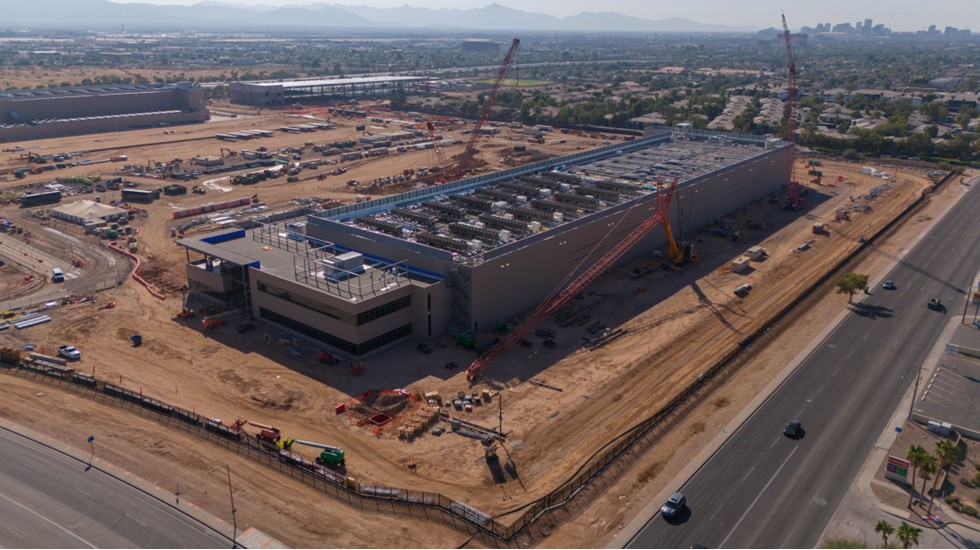
Imports excluding gold increased $14.1 billion in August. High-tech goods needed for the AI data center buildout remained a key driver; semiconductors rose $2.4 billion, along with significant increases in telecommunications equipment and materials needed for energy infrastructure. There was also a fairly sizable jump in civilian aircraft and engines at about $1.3 billion alone.
Bucking the trend, however: computers and computer accessories, which declined approximately $2 billion. We still have a lot of high-tech goods in inventories.
Outside of capital goods, industrial supplies jumped on a $3.3 billion increase in imports of crude oil. Foods, feeds and beverages rose nearly $1 billion. Interestingly, the other goods category, which can include defense equipment, rose $1.3 billion. That is a sector we have been watching closely as it is starting to show momentum. Automotive imports increased by a tepid $331 million, most in parts and accessories.
Weakness in consumer goods was led by a $1.2 billion decline in pharmaceutical preparations (tariffs on pharmaceutical products took effect). Jewelry and cell phones also declined. Imports of services, which includes travel abroad, were essentially flat.
Exports excluding gold increased just $2.1 billion in August. Exports of industrial supplies alone increased $4.1 billion for crude and fuel oil exports, along with some metals. Capital goods increased $1.3 billion on semiconductors and computers.
A $2.2 billion drop in consumer goods offset gains in exports of energy and high-tech goods. Much of that fall occurred in pharmaceuticals. Automotive exports declined by $916 million; that loss was broad-based, while exports of foods declined $844 million on weaker soybean exports.
The expansion in the deficit was driven by trade with Mexico and Asia outside of China. Mexico has become a major supplier of data centers along with Asia. In Asia, the primary increases came key hubs for high-tech goods such as Taiwan, South Korea, Thailand and Vietnam.
We have not yet reached peak data center construction, which means imports are expected to remain robust, despite new tariffs.

Meagan Schoenberger
KPMG Senior Economist
Bottom Line
The trade deficit expanded in line with expectation in August. The data center buildout and the infrastructure needed to serve it are extremely import-intensive. This has resulted in a larger trade deficit and higher inventories.
We have not yet reached peak data center construction, which means imports are expected to remain robust, despite new tariffs. That leaves us with a widening trade deficit into the end of the year and 2027, although the largest step up in the deficit likely occurred over the summer.
Some of the volatility in imports is expected to abate as we move into the winter. The administration is actively targeting areas of imports where front-running of tariffs has been most pronounced. The result could show up as delays in shipments and some temporary bans to curb imports before a new round of tariffs goes into effect later in the year. That still won’t stop the AI buildout but may remove some of the massive swings in the data evident since the start of 2025.
Explore more




Subscribe to insights from KPMG Economics
KPMG Economics distributes a wide selection of insight and analysis to help businesses make informed decisions.
Meet our team